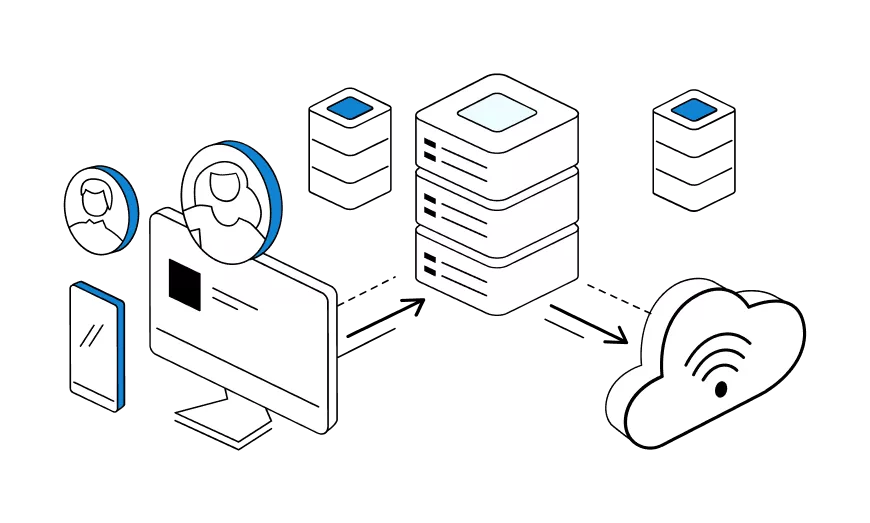
If you actively use the Internet, you may have already heard about proxies and proxy servers. However, if you don't know a bit about it and you often ask yourself "what is a proxy?" and “ how does a proxy server work ?” This article will help you catch up with this web technology and unlock all the advantages of using a proxy server.
What is a proxy?
What exactly is a proxy? A web proxy is a type of intermediary between a web user and an online resource. But how do proxies work? When you directly visit a website, you collect information about yourself (the server or computer you use, your location, browser fingerprints, IP address, etc.). In response to this submitted data, the web resource provides you with the content you requested.
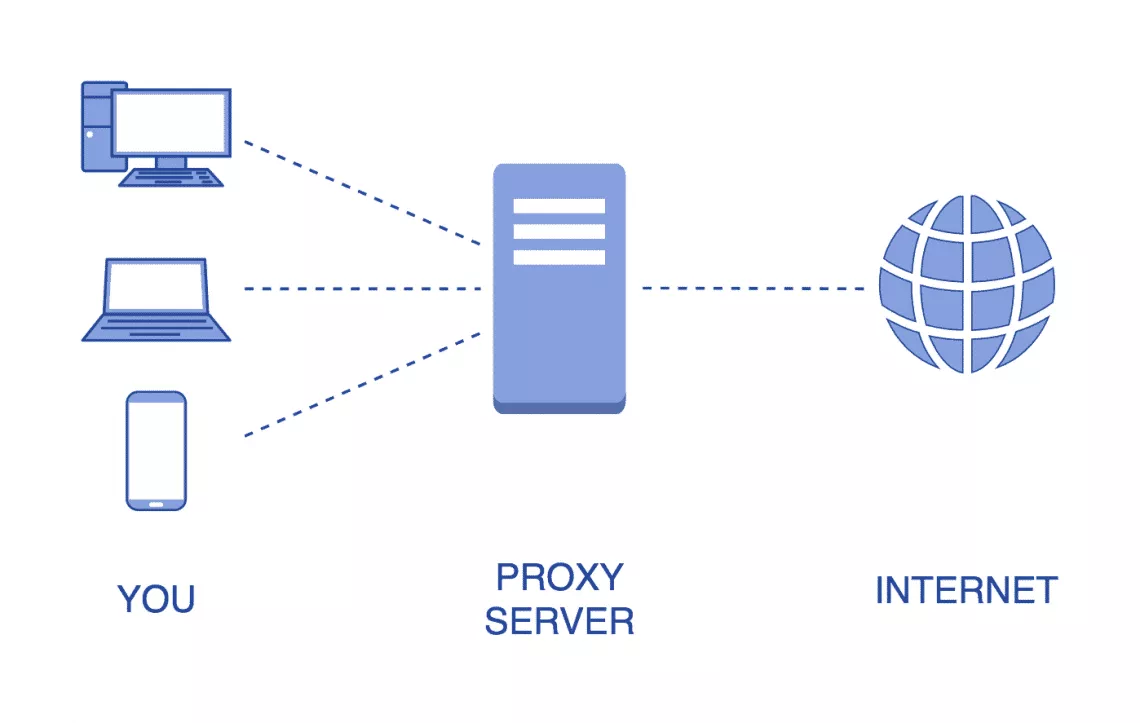
Unlike a direct connection between users and websites, a proxy-based connection provides a gateway for your web request and the data you receive back from the website. Proxies can hide or alter your web request data and filter website content, preventing you from receiving unwanted information. This also enables anonymous web browsing and data collection on your part.
Generally, proxies are divided into two types: shared and dedicated proxies.
Shared Proxy
A shared proxy is a public proxy that can be easily accessed by anyone. As a rule, you can get shared proxies for free, without any restrictions on the number of users they serve. Such servers are often overloaded by hundreds of web users, slowing down the Internet connection and often causing major lags and even crashes. By using shared proxies, you will have to wait minutes for a web page to load, making it almost impossible for you to browse the web. Additionally, browsing the Internet through these open proxies is quite risky as they can be used by providers as a way to collect and steal your personal information.
There are also semi-dedicated proxies with a limited number of users. They are suitable for small groups of people, such as companies or schools, to create a shared network connection. The advantage of this type of proxy is that you significantly reduce lags when browsing the web, but it does not completely eliminate the "weight".
Private Proxy
A dedicated proxy allows you to use a proxy privately and means you are the only one using it. This allows you to browse completely anonymously and securely with high page loading speed.
What is a Proxy Server?
Now you are probably wondering “ what is a proxy server ?” A proxy server, or proxy, is a server that acts as an intermediary between you and the web page you are visiting. Proxy servers are allowed to process your web request and website data, making your web browsing safe and private. To get a clear definition of proxy server, below you will find a detailed explanation of how proxy servers work.
How Do Proxy Servers Work?
Every time you visit a website by clicking a link or manually typing the web address into your browser, you create and send a web request that is forwarded to a proxy server. The proxy server then encrypts your data, such as your IP (Internet Protocol) address, and sends it to the web resource. After that, the website sends the web page information back to the proxy server, which processes its data before transferring it to you. In this way, it acts as a firewall or web filter so that you only receive the information you want to receive. Now you can ask “ how does a proxy server work ?” Now that you've taken a look at the information behind the question, let's take a closer look at what types of proxy servers exist.
Depending on the network setup and configuration that includes a proxy, there may be three different types of proxy servers:
Routing Proxy Server
Routing Proxy Servers are widely used by internal networks. How does a web proxy work when it comes to Redirection Proxy Servers? When one of the clients sends a request to connect to a particular website, it must first go through a Redirect Proxy Server, which decides whether the client should be allowed to approach that resource. If yes, the connection request goes to the external server, which does not see the client's IP address but only the connection request sent from the Routing Proxy Server.
An Advanced Proxy Server provides full administrative control over local network connections. It acts as a shield or firewall, allowing administrators to restrict access to unwanted web resources by internal network clients. For example, you can see such proxy servers in schools and universities.
Why Should You Use a Proxy Server?
Now you have a better understanding of what a proxy server is and how to use one. But what is a proxy server used for?
If you are considering whether you should choose a proxy, there are many advantages that will convince you to start using it.
More Privacy
Proxies can encrypt your data by configuring your IP address, so you can hide your real location to “outplay” the network without any effort. This way, the server to which you send your request will not know your real IP address and other personal information. It allows you to avoid risks such as hacking attempts, identity theft, and therefore improve your web privacy.
Access Any Website
Besides more anonymous browsing, there are other benefits that come with hiding your IP address. Imagine you want to visit a website that restricts content from being viewed in your country. In this case, you can change your IP address, which unlocks the content for you. Therefore, you can access almost any website on the web that has this type of limitation.
Higher Security
Your internet connection becomes more secure because you can keep your data private. You can configure and change your proxy so that the web only sees the information you allow it to access. Proxies also work as a web firewall, protecting your device and filtering web resources that may possibly contain malware.
Improved Performance
Proxy servers can also improve your browsing performance. For example, when you visit a website, it is saved in your proxy server's cache. The next time you reach the website, the proxy sends a request to the website server to see any changes and if no changes are detected it will show you the cached version of the website. This way, you can reduce the loading time of websites you have previously visited. It is especially useful when it comes to companies and organizations.
Solution
Using a proxy means security, privacy, freedom and control. Since there are several reasons why using a proxy may be beneficial for you, you just need to take advantage of this opportunity. At FastProxy we offer clean and reliable proxies at reasonable prices. Depending on the packages, you get a set of fully private proxies with unlimited connections and bandwidth that you can use for any purpose at any time.