A Few Words About Proxies
When you use the internet normally, your device connects directly to application servers and websites. As a result, these servers recognize your IP address, location and other data, meaning you lose your anonymity on the Web. Additionally, application and site owners or ISPs may block your access to some web servers.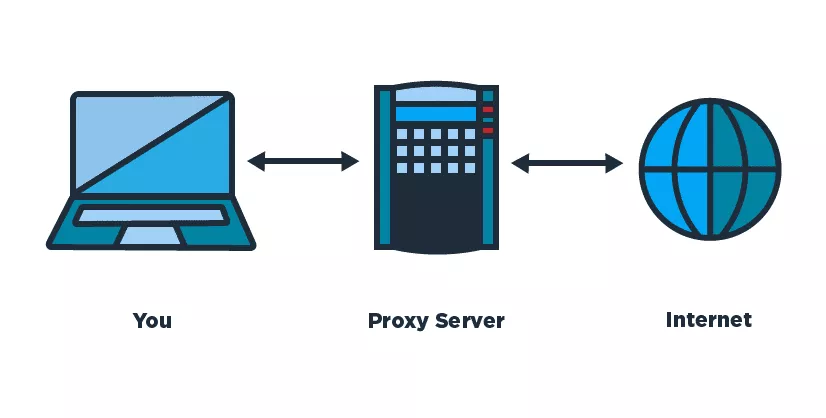
Luckily, instead of using a direct connection, you can use a proxy, which is an intermediary server that allows data to be exchanged between your device and web servers. It hides your data from the owners of the apps and sites you visit, preventing them from blocking you by IP. In addition, the mediated connection allows you to bypass the blocking imposed by the ISP itself.
There is a risk that some interested parties may still be able to track you, provided they have special equipment and skills. However, using a proxy, you can access many sites with access restrictions and hide your IP from them.
How is Proxy Difference from VPN?
Both technologies help bypass blocks and protect user privacy. But VPN is considered technically more advanced.
If you don't mind installing additional software and are ready to pay extra for high speed and anonymity that maximizes the protection of transmitted data, choose VPN.
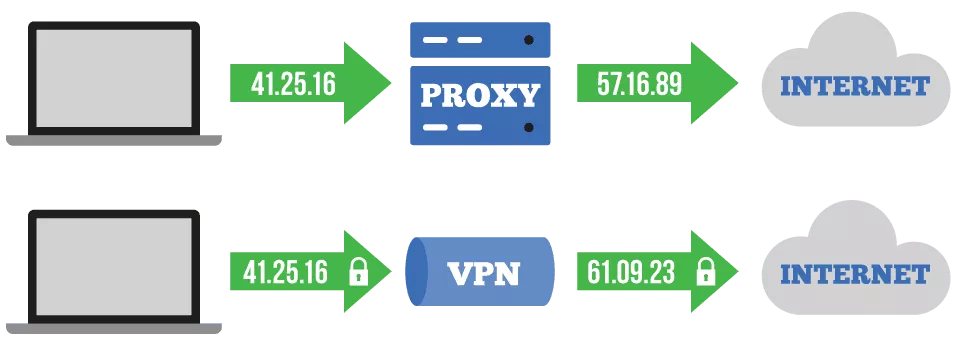
If all you need is a way to access blocked sites and a simple anonymizer without reliable data protection, all you need to do is set up a proxy. They do not require special software. Plus, in most cases, paid proxies are cheaper than paid VPN (if you need a quality service without restrictions, you will have to pay in both cases).
Proxy Server Types
Currently the most popular types of individual proxy servers are:
HTTP Proxy
This proxy server is the most common around. It is used to regulate the work of various programs and browsers that use HTTP. The principle of this server is quite simple. Initially, the user's browser sends a special request to this server to access a specific address (URL). After that, the proxy server makes its own request to the address of interest and gives the result to the user. This approach provides the following benefits to those using HTTP proxies:
- Save various loaded files, such as images or text files, and then load them from the cache, which saves traffic and increases page loading speed;
- Create a site blacklist to which users can restrict access;
- Restrict connection speed for some users;
- Ability to maintain logs as well as job logs.
In addition to security and anonymity, HTTP proxy is often used due to its caching feature, which can lead to faster loading of web pages.
HTTPS Proxy
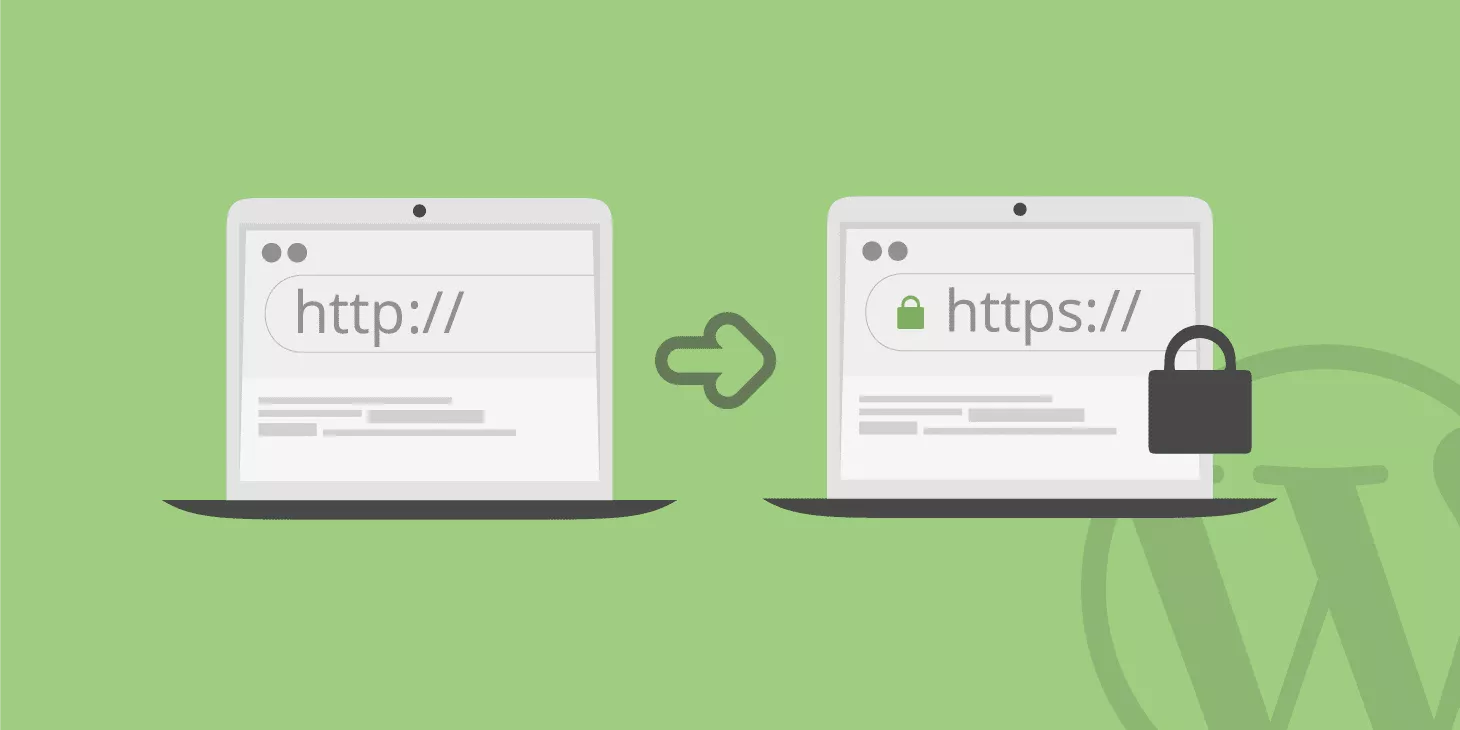
An HTTPS proxy server is quite similar to the HTTP proxy server described above but with one very important difference, which makes it a very good solution when you need to transfer some sensitive information. This type of information often includes bank card data, logins and passwords, and much more. This proxy server is characterized by increased security. Unlike HTTP proxy, all traffic transmitted through this proxy is encrypted using very strong data protection algorithms.
The main advantages of HTTPS proxy are:
- High level of security, where the possibility of interception of information transmitted through the proxy server is almost zero;
- Caching of loaded pages, which increases the speed of work.
SOCKS4/5 Proxy
Many information security experts believe that Socks is the most advanced proxy server that can reliably protect your personal information. Currently there are two main stable versions of this protocol called Socks4 and proxy Socks5, which have certain differences.
Socks acts as an intermediary, but unlike most other proxies, it sits between the application and the transport layer. This feature ensures that it does not rely on higher-level protocols. The protocol itself was developed, first of all, for programs using TCP and UDP, to allow them to use various network resources to gain access that was previously impossible due to limitations in the programs themselves or in the architecture of the networks used.
Among the main advantages of Socks proxy we can note the following:
- When making a request, the user's real IP is not transmitted;
- Working with numerous protocols;
- Using a SOCK chain allows you to significantly increase the level of anonymity of the user.